Phantom Retractable Screens vs. Habitat Screens: Choosing the Best Screen for Large Openings
Creating an open-air living space that seamlessly transitions between indoor comfort and outdoor freedom is one of the most sought-after features in modern residential and commercial architecture. Whether you are designing a luxury modern farmhouse, upgrading a covered patio, or enclosing a multi-slide glass door system on a coastal lanai, large-format screens play a pivotal role. They regulate thermal comfort, manage glare, keep insects at bay, and provide privacy, all without sacrificing your panoramic views.
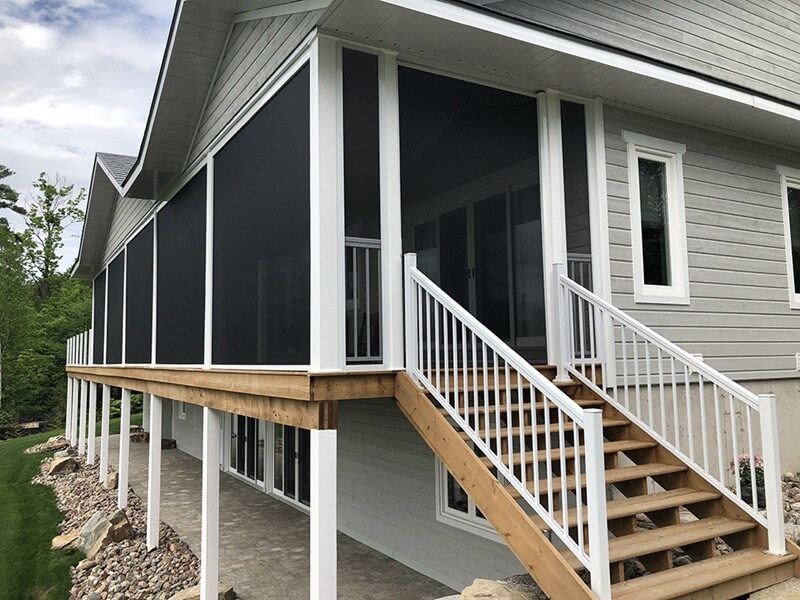
However, selecting the right screen solution for massive structural spans requires a nuanced understanding of engineering, material science, and aesthetic integration. Two prominent industry leaders dominate this space: Phantom Retractable Screens and Talius Habitat Screens. While both brands deliver top-tier automated shading and screening solutions, their core design philosophies, track engineering, and primary performance strengths differ significantly.
Premium Roll-Down Screens: Moving Beyond Cheap Box-Store Meshes
When a homeowner or commercial project manager plans an outdoor living upgrade, the temptation to utilize off-the-shelf, manual screen kits or standard velcro-and-frame systems can be tempting. However, off-the-shelf box-store meshes quickly fail when exposed to the mechanical stress and environmental demands of expansive openings.
Fixed insect screens in standard frames sag, billow in light breezes, tear at the spline points, and permanently obstruct views year-round. Low-cost manual roll-down screens suffer from uneven tracking, premature fabric fraying, and lack the structural integrity required to span structural columns without unsightly horizontal seams or massive center posts.
In contrast, engineered motorized screen systems represent a total departure from retail-grade solutions. Premium architectural screen systems utilize:
- Motorized Mesh Tensioning: High-torque tubular motors combined with weighted bottom bars and engineered side channels keep the fabric taut across spans reaching 25 to 30 feet wide. This motorized mesh tensioning prevents unsightly sagging, ripples, and wind-induced fabric flutter.
- Precision Extruded Aluminum Housings: Instead of flimsy plastic or thin stamped metal, premium systems utilize heavy-gauge, powder-coated aluminum housing cassettes designed to protect the fabric roll from debris, weather, and UV exposure when retracted.
- Architectural Integration Capabilities: Premium systems are engineered to integrate seamlessly into structural headers during construction or offer minimal-profile surface-mount enclosures that match surrounding trim.
- Engineered Technical Fabrics: Rather than generic fiberglass mesh, professional-grade systems leverage advanced PVC-coated polyester or fiberglass micro-weaves optimized specifically for insect control, solar radiation filtration, or structural wind resistance.
Investing in a custom-engineered roll-down screen ensures smooth motorized operation at the push of a button or smart home command, transforming expansive architectural openings into multi-season living spaces.
The Profile of Phantom Retractable Screens
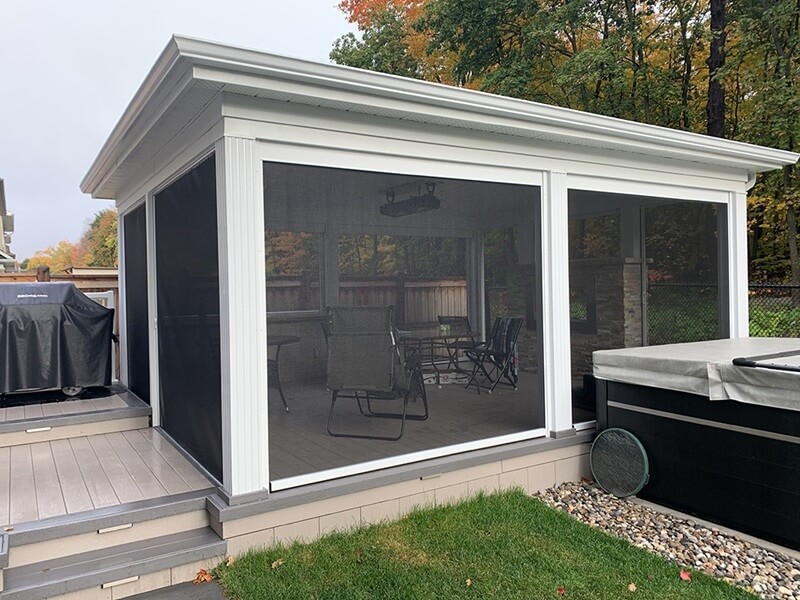
Phantom Screens has long been synonymous with high-end architectural retractable screens. Known for elegant design, discrete mounting profiles, and exceptionally smooth operation, Phantom systems are engineered to complement luxury homes without disrupting original architectural lines.
The Ultimate Choice for Invisible Insect Barriers and Hidden Architectural Profiles
Phantom’s motorized wall screens specialize in providing wide-span protection while maintaining maximum transparency and subtle visual integration. When fully retracted, the screen completely disappears into its housing, preserving unobstructed sightlines and full structural clearance.
Architectural Recessed Housing
For new construction and major renovation projects, Phantom excels in invisible installation. Their architectural recessed housing options allow the top cassette, side tracks, and bottom slide bar to be completely built into the ceiling structure and wall cavities. When retracted, the screen fabric is hidden above the finish ceiling line, leaving zero visible hardware. Even in retrofit applications, Phantom’s surface-mount cassettes feature streamlined, radiused edges and customizable architectural powder-coat finishes that match high-end window and door packages.
Clear View Mesh Options and Insect Protection
Phantom offers an extensive range of clear view mesh options crafted specifically to maximize airflow and visual clarity. Their insect meshes — woven from durable PVC-coated fiberglass — feature ultra-fine thread diameters and tight weave densities such as 18×14 or 20×20 meshes. These micro-weaves serve as an impenetrable roll-down bug barrier, effectively blocking tiny pests like no-see-ums, mosquitoes, and gnats while allowing natural light and ambient breezes to pass through almost unhindered.
Smarter Automation Integration
Phantom motorized screens utilize advanced tubular motors capable of integrating into leading automation platforms, including Control4, Crestron, Lutron, and Somfy taHoma. Equipped with obstacle-detection technology, the motors stop automatically if an object — such as patio furniture or a pet — is beneath the screen, protecting both the motorized mechanism and the fabric mesh from accidental damage.
The Profile of Talius Habitat Screens
Where Phantom emphasizes invisible aesthetics and ultra-clear airflow, Talius Habitat Screens are built with heavy-duty structural resilience and intensive solar control as their core objectives. Engineered to withstand harsh climates, coastal wind gusts, and severe heat loads, Talius screens are a heavy-duty solution for rugged outdoor environments.
Heavy-Duty Solar Shade Control and Wind-Stabilized Structural Zipper Tracks
Talius Habitat Screens are designed from the ground up as dynamic climate barriers capable of converting scorching hot, wind-exposed patios into tempered, energy-efficient environments.
Vertical Zipper Tracks and Structural Wind Resistance
The defining engineering feature of Talius Habitat Screens is their fully captive vertical zipper tracks. Unlike traditional edge-guided channels or cable systems, a Habitat Screen features a continuous zipper weld along both vertical edges of the screen fabric. This zipper runs inside a heavy-gauge extruded aluminum side track lined with noise-dampening retention inserts.
This continuous mechanical lock holds the mesh tightly along its entire vertical height. As a result, the fabric cannot blow out of its track during sudden wind gusts or heavy breezes. The system redistributes wind loads across the entire side track assembly, providing exceptional structural stability, making Habitat Screens ideal for high-wind environments like beachfront lanais, elevated balconies, and open mountain valleys.
Superior Solar Heat Blocking and Microclimate Control
Talius Habitat Screens utilize heavy-duty composite meshes — such as Serge Ferrari Soltis micro-perforated membranes or Twitchell Texitene fabrics — specifically designed for intense thermal performance. These dense technical textiles excel at solar heat blocking, absorbing and reflecting up to 95 percent of incoming solar heat energy before it reaches your living space or window glass. By creating a physical thermal buffer, Habitat Screens dramatically reduce air conditioning costs and prevent interior UV fading on hardwood floors and outdoor furnishings.
Side-by-Side: Mesh Openness Factors, Wind Endurance, and Large Spans
To select the best system for your specific opening, compare how these two systems handle technical fabric selection, structural span limits, and environmental forces.
In terms of primary engineering focus, Phantom Retractable Screens prioritize aesthetics, seamless architectural integration, high clarity, and insect exclusion. Phantom units offer maximum standard spans reaching up to 30 feet wide by 16 feet high, performing exceptionally well in low to moderate wind conditions. They are available with specialized architectural recessed housing options designed to hide the system completely within flush ceiling builds.
Talius Habitat Screens focus on heavy-duty solar heat blocking, extreme wind resistance, and structural durability. Talius units span up to 27 feet wide by 16 feet high in standard configurations, with custom heavy-duty options available for larger spans. Thanks to their continuous vertical zipper tracks, Talius screens maintain structural stability in high to extreme wind conditions by preventing fabric blow-outs.
Understanding Mesh Openness Factors and Privacy Percentages
The performance of both systems is heavily dictated by the fabric mesh selected. The openness factor dictates the percentage of open space in the weave versus closed yarn.
- 14% to 20% Openness (High Clarity and Insect Focus): Popular in Phantom applications where preserving panoramic views and maximizing airflow is the primary objective. Acts as a highly effective roll-down bug barrier while remaining virtually invisible from a few feet away.
- 5% to 10% Openness (Balanced Solar and Airflow): Cuts severe glare, reduces ambient patio temperatures by 10 to 15 degrees, and provides moderate daytime privacy while allowing occupants to see out clearly.
- 1% to 3% Openness (Maximum Solar Blocking and High Privacy): Ideal for west-facing patio openings exposed to blistering afternoon sun. These dense privacy mesh percentages block up to 99 percent of UV light and block daytime sightlines into your outdoor room from neighbouring properties, converting open porches into private sanctuary spaces.
Application Matrix: Garage Portals, Porches, and Lanai Enclosures
Choosing between Phantom and Talius often comes down to the intended function of the specific space being enclosed.
1. Covered Porches and Luxury Outdoor Kitchens
Primary Need: Insect control, evening ambient lighting retention, and a seamless architectural aesthetic.
Top Pick: Phantom Retractable Screens.
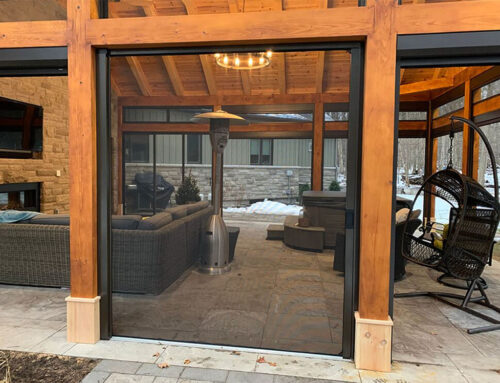
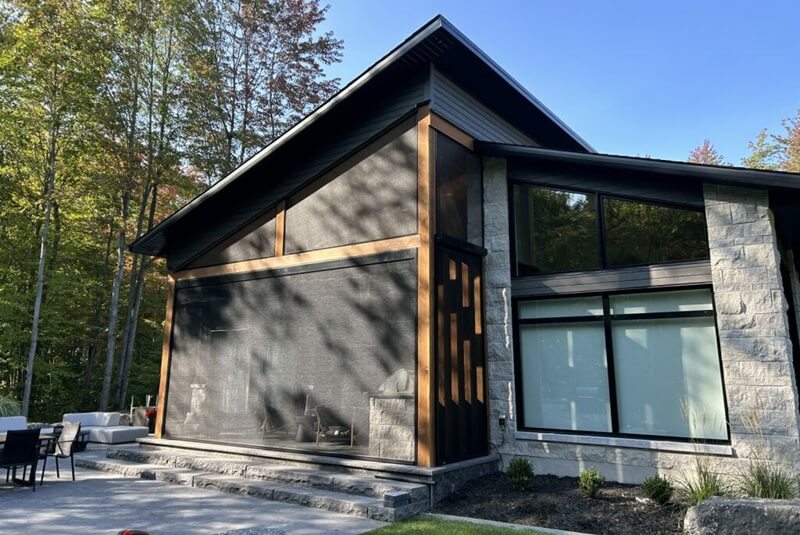
Why: When hosting guests on a covered porch, aesthetics are paramount. Phantom’s ability to completely disappear into an architectural recessed housing inside ceiling soffits means your porch maintains its open timber or stone column aesthetic during the day. When sunset arrives, lowering the clear view mesh options keeps mosquitoes out without feeling enclosed or dark.
2. West-Facing Lanais and Sun-Drenched Patios
Primary Need: Intense heat reduction, glare control, and daytime privacy.
Top Pick: Talius Habitat Screens.
Why: West-facing outdoor spaces often become unusable in the late afternoon due to blinding sunlight and high heat loads. Talius screens featuring tight solar weaves (3 percent or 1 percent openness) excel at solar heat blocking, dropping temperatures dramatically. Furthermore, the selection of tailored privacy mesh percentages stops sun glare on outdoor TVs while preventing passersby from looking in.
3. High-Wind Coastal Properties and Elevated Balconies
Primary Need: Wind stabilization, resistance to blowing fabric, and structural durability.
Top Pick: Talius Habitat Screens.
Why: Elevated balconies and coastal lanais experience frequent ocean gusts that blow standard drop-screens out of their tracks. The fully captive vertical zipper tracks on Talius Habitat Screens lock the fabric tight, allowing the screen to remain deployed even when winds pick up, without distracting fabric slap or risk of derailment.
4. Garage Portals and Multi-Slide Patio Doors
Primary Need: Wide span coverage, quick motorized operation, and ventilation.
Top Pick: Phantom Retractable Screens (or Talius depending on solar exposure).
Why: Garage conversions and modern multi-slide door systems often span 20 or more feet across. Phantom’s low-profile bottom guide options and synchronized motorization make it ideal for converting a garage portal into a ventilated hobby room, gym, or workshop protected by a heavy-duty motorized mesh tensioning assembly.
Conclusion: Making the Right Investment for Your Space
Both Phantom Retractable Screens and Talius Habitat Screens represent elite engineering in the architectural shade industry. Choosing the right system comes down to prioritizing your primary environmental challenges:
- Select Phantom Retractable Screens if your core priorities are preserving wide architectural views, maximizing airflow, utilizing completely hidden architectural recessed housings, and maintaining an invisible roll-down bug barrier.
- Select Talius Habitat Screens if you are combating intense solar heat, require strict privacy with dense privacy mesh percentages, or live in a windy coastal location that demands the structural integrity of captive vertical zipper tracks.
Learn More About Choosing The Best Screen for Large Openings
By pairing the correct frame profile, motorization system, and technical mesh openness to your space, you can transform large structural openings into flexible, year-round living areas that deliver both ultimate comfort and lasting architectural value.
At Jans Awnings & Rollshutters, we specialize in finding the right solutions for your home’s comfort and enjoyment. Contact us today to ensure you are making the most of your property.
Sources: